
Public
Understanding the psychological triggers behind gambling behavior
Understanding the psychological triggers behind gambling behavior
The allure of risk-taking
Gambling inherently attracts individuals due to its association with risk and the potential for substantial rewards. The thrill of uncertainty stimulates the brain’s reward system, releasing dopamine, a neurotransmitter linked to pleasure and motivation. This heightened sense of excitement can create a powerful psychological trigger that encourages continued participation in gambling activities. Many enthusiasts might explore crypto casinos as part of their experience, drawn by the allure of innovative platforms.
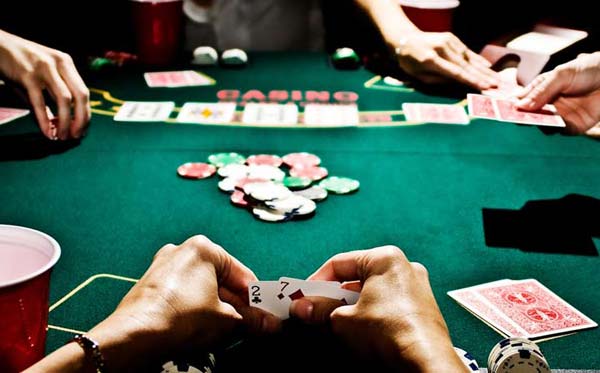
The excitement of potential wins often overshadows the risks involved. Many gamblers engage in a cognitive bias known as the “illusion of control,” where they believe they can influence outcomes through skill or strategies, despite the inherently random nature of most gambling games. This belief not only enhances the excitement but also deepens the emotional investment in gambling behavior.
Emotions and escapism
Emotions play a crucial role in gambling behavior, as many individuals turn to gambling as a form of escapism. For some, the act of gambling serves as a distraction from everyday stressors, providing a temporary relief from anxiety or depression. The initial win can create a euphoric state, leading individuals to chase that feeling repeatedly, often ignoring the negative consequences that may arise.
This escape can be particularly appealing for those facing financial, relational, or personal issues. The immediate gratification offered by gambling can create a cycle where individuals seek out this temporary high to cope with their emotional struggles, making it difficult to recognize the onset of problematic gambling behaviors.
The role of social factors
Social influences significantly contribute to gambling behavior. People are often drawn into gambling activities through peer pressure or social circles that normalize or encourage such behavior. The communal aspects of gambling, such as playing with friends or participating in events, can enhance the overall experience, making it more enticing and socially acceptable.
Moreover, individuals may find themselves aligning their self-worth with gambling success, which can lead to a cycle of reinforcement. The need to impress peers or fit into social dynamics can drive individuals to gamble more than they intend, creating a dangerous mix of social expectation and personal vulnerability.
Understanding addiction and its triggers
Gambling addiction is a complex issue that extends beyond mere recreational activity. For some, the psychological triggers become so overpowering that they develop a compulsive need to gamble, often despite adverse consequences. Factors such as genetic predisposition, mental health issues, and life stressors can exacerbate this risk, making it challenging for individuals to break free from the cycle of addiction.
Many individuals may not recognize their gambling behavior as problematic until significant damage has been done, whether financially, relationally, or emotionally. Understanding the underlying psychological triggers can be essential for those seeking help, as it provides insight into the motivations that drive compulsive gambling and informs more effective treatment approaches.
Connecting with resources
Awareness and education about the psychological triggers behind gambling behavior are crucial for both individuals and their families. Recognizing the signs of problematic gambling can help in seeking appropriate assistance and support. Various resources, such as counseling services and support groups, are available for those struggling with gambling addiction.
As we navigate the complexities of gambling behavior, it’s essential to foster open conversations about the psychological aspects at play. By creating an environment where individuals can share their experiences and seek help without judgment, we can contribute to a more informed and supportive community around the issue of gambling and its psychological triggers.
